

Rose water and rose hydrosol
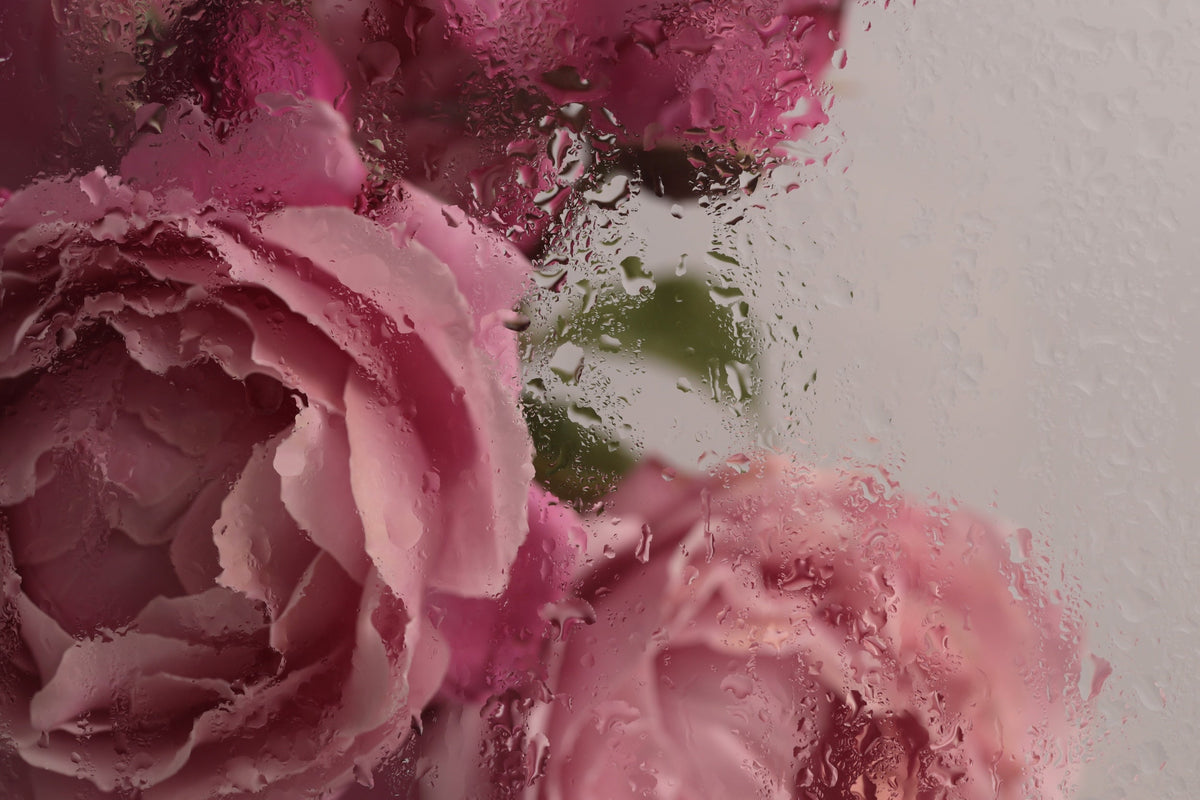
-
What nature nurtures, your skin recognizes.
-
Origin
-
How it works
-
Why we use it at BARAU

Rosa Damascena Flower Water
What is rose water?
Rose water is traditionally obtained from the fragrant blossoms of the Rosa Damascena, the Damask rose. This precious rose has been cultivated for centuries and is prized for its characteristic fragrance and its versatile use in beauty care and perfumery.
During steam distillation, steam flows through the fresh rose blossoms. This releases volatile plant components from the flowers. After cooling, the concentrated essential rose oil and the aromatic plant water separate. This plant water is the actual rose hydrosol.
In skincare, rose hydrosol is particularly valued for its gentle, refreshing, and balancing properties. It is especially well-suited for care formulations for sensitive skin.
At BARAU by Bibi, we use rose hydrosol in our Blossom Tonic and Mild Cream to hydrate the skin and support its natural balance.
Rose water or rose hydrosol – what is the difference?
The terms rose water and rose hydrosol are often used synonymously, but they are not necessarily the same thing.
🌹 Genuine rose hydrosol is created directly during the steam distillation of rose blossoms. It contains the water-soluble and finest aromatic components that transition into the plant water during distillation.
🌹 Conversely, the term rose water can also refer to products where water has been subsequently mixed with rose oil, aroma, or other fragrances. They are therefore not automatically comparable to a rose hydrosol obtained through distillation.
Anyone looking for the most authentic rose water for the face should therefore look not only at the label on the front but also at the INCI list and the production method.
What effect does rose water have on the skin?
A good rose water for the face combines toning and care in a particularly gentle way. Rose hydrosol refreshes the skin after cleansing, provides moisture, and can give sensitive skin a calmed, balanced feeling.
Unlike highly concentrated essential rose oil, rose hydrosol can be integrated very mildly into water-based care formulations. This makes it suitable for a minimalist skincare routine where the skin should not be unnecessarily burdened after cleansing.
Which skin type is rose water suitable for?
✔ Sensitive skin: The mild form of the hydrosol makes rose water particularly interesting for sensitive skincare routines.
✔ Dry skin: Rose hydrosol complements care where moisture and suppleness are the priority.
✔ Mature skin: Ideal as a light, refreshing care step before a serum, facial oil, or cream.
✔ Reactive skin: A minimalist, alcohol-free formulation can be particularly beneficial here – as can checking for fragrance allergens at the end of the INCI list.
✔ Normal and combination skin: Even balanced skin benefits from this light, refreshing toner.
Application: How do you use rose water as a facial toner?
Rose water is classically applied after cleansing and before a serum, facial oil, or cream. The BARAU Blossom Tonic is sprayed as a fine mist onto the face, neck, and décolleté. It provides moisture, refreshes the skin, and prepares it for subsequent care steps. Alternatively, a tonic can be gently pressed into the skin with your hands or applied with a pad.
But rose water doesn't just have to be used in the morning and evening: at the desk, after a long day, or on the go – even over makeup, a quick spritz provides a little moment of freshness.
One more beauty trick: The Blossom Tonic can also be used for double cleansing. Together with the BARAU Nutrient Serum, it is suitable for gently removing makeup from the eye and lip areas. Afterwards, the Calm Cleanser, developed for sensitive skin, cleanses mildly and thoroughly. Sprayed on again at the end, the Blossom Tonic tones the skin and prepares it for further care.
And rose water is by no means just for women: after shaving, the Blossom Tonic also provides a pleasantly fresh and well-groomed finish for men's skin.
Facial toner with or without alcohol?
Especially for sensitive or dry skin, it is worth taking a close look at the formulation. In cosmetics, alcohol is used as a solvent, a preservative aid, or to provide a fast-drying, light skin feel, among other reasons.
Depending on the type of alcohol, concentration, and overall formulation, a high proportion of certain alcohols can be less comfortable for sensitive or dry skin and can increase the feeling of dryness or tightness.
A facial toner without alcohol therefore relies on a different kind of toning: gently refreshing and caring, without the characteristic degreasing skin feel of high-alcohol toners.
In facial toners, "alcohol" generally refers to ethanol, indicated in the INCI list as "Alcohol" or "Alcohol Denat." Benzyl alcohol, on the other hand, is an approved preservative and not ethanol.
The BARAU Blossom Tonic is alcohol-free and suitable for sensitive skin. For its caring effect, we rely on a selected combination of organic rose hydrosol, organic aloe vera, and organic mango extract, rounded off with natural bitter orange oil. This creates an uncomplicated care step that provides moisture, refreshes, and is particularly gentle to integrate into a daily skincare routine.
What should you look for when buying rose water?
A look at the ingredient list often reveals more than the product name.
🌹 Rose hydrosol high up in the INCI list: The further up Rosa Damascena Flower Water is listed, the greater its proportion in the formula generally is.
🌹 Pay attention to the production: A rose hydrosol obtained by distillation is something different from water to which only fragrance or rose aroma has been added.
🌹 Note fragrance allergens: Even natural essential oils contain allergens such as limonene or linalool. They are at the end of the INCI list. Those with very sensitive skin should be aware of these details.
🌹 Choose alcohol consciously: Those prone to dry or sensitive skin can specifically look for an alcohol-free facial toner.
Ultimately, it is not just whether "rose water" is on the package that matters, but what is actually inside the bottle.
Buy rose water in organic quality: In our Blossom Tonic, organic rose water (Rosa Damascena Flower Water) is at the top of the INCI list, combined with organic aloe vera – certified organic natural cosmetics (ACENE).
Frequently asked questions about rose water
Can you use rose water on your face daily?
Yes. A mild, alcohol-free rose water can be used morning and evening after cleansing. If you have very sensitive skin, it is best to test a new product on a small area of skin first.
Does rose water replace a moisturizer?
No. Rose water refreshes and prepares the skin for further care, but it does not replace a cream. Follow with a serum, facial oil, or a cream such as the BARAU Mild Cream.
Can you use cosmetic rose water for cooking or baking?
No. Rose water for skincare is a cosmetic product and is not intended for consumption. There is food-grade rose water available for the kitchen and baking.
SKIN BENEFITS
EFFECTS & SKIN CONCERNS


